


Style
Type
Still
Winemaker
Christophe Jomain
Appellation
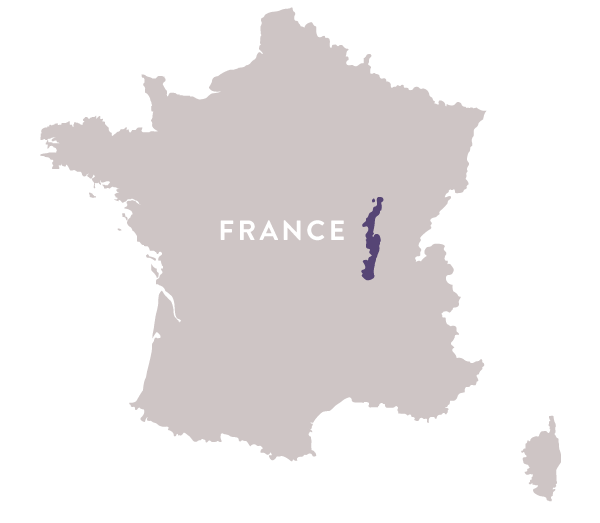
Côte de Beaune
Varieties
Chardonnay
Viticulture
2.5 acres (planted in 1981). All vineyards sustainably farmed (lutte raisonnée). Manual harvest using small bins with strict selection in vineyard.
Farming
Sustainable
Terroir
Various types and depths of limestone interbedded with marl (Marl loosely defined as calcium carbonate containing variable amounts of clay).
Vineyard
22 acres total in several parcels in and around Puligny-Montrachet: Bâtard-Montrachet Grand Cru: 0.8 acre (planted in 1950), Puligny-Montrachet 1er Cru Les Pucelles: 1.06 acres (planted in 1968), Puligny-Montrachet 1er Cru Les Combettes: 1 acre (planted in 1982), Puligny-Montrachet 1er Cru Les Perrières: 1.55 acres (planted in 1976), Puligny-Montrachet Villages: 4.9 acres (planted in 1970), Bourgogne Blanc (Chardonnay): 2.5 acres (planted in 1981), and 5 acres Bourgogne-Aligoté and parcels in Saint-Aubin and Auxey-Duresses. All vineyards sustainably farmed (lutte raisonnée). Various types and depths of limestone interbedded with marl.
Vinification
Pneumatic press. Wines then moved to individually determined combination of new, second and third-year barrels. Never more than 25% new oak. Extensive bâtonnage of lees during period of malo-lactic to enhance texture and reduce use of SO2. Racked, fined and returned to barrel in Spring after harvest and bottled with minimal or no filtration in September.
Aging
Half in stainless steel vats and half in 20% new oak barrels.
Features
Bottle, Cork
Available Sizes (L)
0.750
Distribution Area
Delaware, National, New Jersey, New York, and Pennsylvania
Shelf Talkers
Tech Sheets
- Domaine Jomain Bourgogne Chardonnay
- Domaine Jomain Bourgogne Chardonnay 2022
- Domaine Jomain Bourgogne Chardonnay 2024
Tasting Note
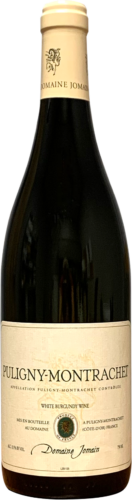
The nose is floral and vanilla coated. In the mouth, it is very ample and fat, well-balanced. Combining freshness and richness, the wine exhibits a distinct minerality a lingering, elegant finish. Produced in the commune of Puligny-Montrachet, it is stunning representative of a noble Chardonnay, reflecting the elegance and finesse of this renowned region.





2 Commerce Dr. Suite 3 Moorestown, NJ 08057
Office 800.245.0184
Fax 856.985.5848


