


Style
Type
Still
Appellation
Barolo DOCG
Varieties
Nebbiolo
Farming
Certified Sustainable
Terroir
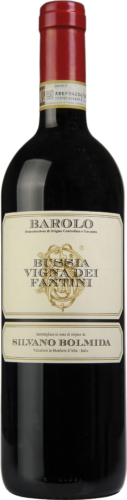
From a single parcel located in the highest part of Bussia, one of the most famous hills in all of Barolo. Very steep hill, 29 years old vines, at 450m above sea level.
In total 0,60 ha. planted into a sandy miocenic sea sediment, rich in fossils and shells. Notably there is a presence of Diano Sandstone, a sandy strata with porosity and numerous fissures, that help circulation of subterranean water. Very sunny (completely exposed to the south) and windy, helping to maintain healthy cluster even in rainy vintages.
Vineyard
5.000 plant per hectare, cultivated with single guyot, not irrigated. All Bolmida's vineyards follow a “certified sustainable planning“, where green manure fertilizer based on alfalfa, beans and mustards (a carpet of these crops aid to avoid water erosion inside these slope hills and aid to producing a symbiosis with vine having so more quantity of parfums inside smaller size of clusters). Bad funguses are controlled primarily using different algae and mustard extracts. Green harvest was made in June , cutting in the half all cluster. Yields are kept very low, around 1,2 kg, to keep a greater balance between sugar/acidity/total polyphenol/ripe tannin. Harvest, during second half of October, done by hand.
Vinification
Cluster are gently destemmed to keep a lot of whole berries in the fermentation; fermentation in steel starts with a selection of autochthonous fresh yeast, with automatically pumping-over for one week, followed by a very long maceration post fermentation, on the submerged skins for 80 days in total, and malolactic fermentation was made in quickly natural way.
Aging
Aged in used, untoasted barrique for 6 months with weekly batonnage until May.
Second year of aging in medium size barrel (3.000-liter capacity) to add less oxygenation into the wine.
After 24 total months of aging in neutral wood, the wine is racked to steel for a natural decantation. After 2 months of sediment, wine was bottled without filtering (only a large steel mesh), with a low sulfite addition.
A refining in the bottle for 12-months gives the wine a more complex aroma and round flavor.
3,300 bottles produced
Features
Cork
Available Sizes (L)
0.750
Distribution Area
Delaware, New Jersey, New York, and Pennsylvania
Shelf Talkers
- Silvano Bolmida Barolo Bussia Vigna dei Fantini 2021-ST
- Silvano Bolmida Barolo Bussia Vigna dei Fantini 2020-ST
Tech Sheets
Additional Resources

2 Commerce Dr. Suite 3 Moorestown, NJ 08057
Office 800.245.0184
Fax 856.985.5848


