


October 22, 2024
Although blancos offer the purest agave essences of unaged tequila, and reposados add a flavorful element accompanied with a touch of color as the result of the tequilas aging from two to 11 months in oak barrels, añejos up the ante—along with taste and price—by increasing the aging process from one to three years (anything beyond three years and it becomes an extra añejo).
Interestingly, other than the fact that they must be made of oak and can hold no more than 600 liters, there are no other regulations governing the barrels used for this aging process. Although American oak ex-bourbon barrels have traditionally been the norm, today many distillers—motivated by increased demand and competition along with their own sense of innovation—are now producing añejo tequilas that have been aged in French, European or Japanese oak barrels. And sometimes they’re blending more than one type of cask-aged tequila in the final product. As a result, there is an endless variety of superb bottles from which to choose. So to make your life easier, we have narrowed the selection down to 10 of the very best añejo tequilas.
Best Organic Añejo Tequila: Solento Organic Añejo
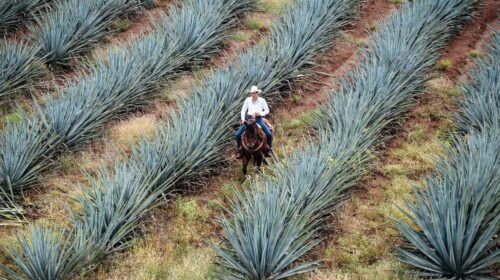
Surfing filmmaker Taylor Steele wanted people to slow down, so that was his philosophy in naming and creating this 100 percent organic, additive-free, single estate, award-winning añejo. Aged for 18 months in American oak barrels and savored neat in a snifter, the flavor is soft and buttery with fruity overtones. Poured over ice, vegetal notes open up, along with touches of vanilla, maple, and a hint of smokiness. Bottled and labeled from recycled materials, for every Solento agave harvested, a new one is planted. Plus, the agave pulp remaining from each small batch of Solento is used by the third generation Montes family of distillers to compost the land of their farm in the Amatitán Valley in Jalisco, where this tequila is made. What’s not to like?
Frequently Asked Questions About Añejo Tequila
What is an añejo tequila?
Simply translated, añejo means “aged,” and in the case of añejo tequilas, we’re talking about barrel aging for a minimum of one to a maximum of three years, as specified by the CRT (Consejo Regulador del Tequila), the governmental agency that regulates tequila production. This extra oak barrel aging, over and above that of reposado tequilas, naturally intensifies—to various degrees—the flavor of the tequila and deepens its color, which can range from pale yellow to a medium amber hue, depending on the types of barrels used and the amount of time the spirit is allowed to age in them. With its deeper and more complex flavors, sometimes the agave nuances take a back seat to the more pronounced complexities of añejos, which in many cases start to approach the mouthfeel of a Cognac or blended Scotch.
How should you drink añejo tequila?
With any añejo, no matter its price, you’re automatically entering the realm of ultra-premium tequilas, a category in which the tequilero has taken the extra and more costly step of lengthier aging to bring out more of the spirit’s aromas and flavors. That in itself qualifies it for a little more scrutiny in nosing its bouquet and then slowly sipping it, to see what new essences you can discover. Most añejos are best appreciated neat, in a snifter, but there are others, as we noted above, that can also add a whole new dimension to mixed drinks. That’s why we recommend stocking more than one añejo in your home bar.
How does tequila differ from mezcal?
Both, by law, must be made in Mexico and distilled from roasted agaves, but tequila can only use the Blue Weber variety and must be distilled in the town of Tequila in Jalisco and four other specifically designated Mexican states: Guanajuato, Michoacán, Nayarit, and Tamaulipas. Also, the agaves are primarily steam-roasted in ovens. On the other hand, mezcal can be made in any of nine specified Mexican states, primarily in Oaxaca, but also in Durango, Michoacán, Tamaulipas, Guanajuato, Guerrero, San Luis Potosí, Zacatecas, and Puebla. In addition, mezcal is typically made from agaves that have been cooked by fire and heat in often covered significantly rock-lined pits, thus adding to its distinctive smoky flavor.
How did we choose the añejos on this list?
We start by “nosing” the tequila, pouring a small amount in a Glencairn tasting glass, just enough to fill its wide base, which narrows towards the top to concentrate the aromas. We also make note of the color—aging doesn’t always produce a dramatically darker color but it usually indicates a depth of taste. A good añejo can be pale gold and delicate or slightly amber and more forceful on the palate, but there should always be a varying degree of agave present. After all, isn’t that why we drink tequila?
Why should you trust us?
Richard Carleton Hacker has been writing about spirits, restaurants, wines and cigars for over 40 years and has written for Robb Report since 1995. His work has also appeared in numerous other lifestyle magazines, including Playboy, The Quarterly Review of Wines, Tasting Panel, and the Somm Journal. In addition, he served for 10 years as a judge and team captain for the San Francisco World Spirits Competition. He has authored 11 books published in the United States, Great Britain, and Germany, including The Ultimate Cigar Book and The Connoisseurs Guide To Worldwide Spirits. He was knighted in Germany and is an honorary member of numerous whisky and wine societies, including the Scotch whisky industry’s exclusive Keeper of the Quaich honorary society (where he is one of fewer than 200 people worldwide to hold the coveted title of Master of the Quaich), and the Ordre des Coteaux de Champagne. He has traveled the world visiting countless distilleries in Scotland, France, and Italy and, of course, Mexico. His books on spirits and cigars are currently available on Amazon.com.
Click here to read the original article

