


May 29, 2024
There aren’t many comeback stories better than rosé’s. Back in the late 2000s, selling dry rosé was a thankless task. Imagining its resurgence was like imagining the return of leisure suits, or the AMC Gremlin. And yet, return it did.
In rapid succession rosé went from “Hey, weird, people in the Hamptons are drinking rosé,” to “This seems fun, maybe I’ll Instagram it,” to “Out of the way, tiny weak wines, I’m ROSÉ!” The top three French brands alone now sell more than 18 million bottles a year in the U.S.
But what is rosé — or maybe, what should rosé be? Provençal rosés dominate, no question: pale pink to transparent salmon-orange, light-bodied, delicately suggestive of citrus fruit and red berries. But rosés can be anywhere from almost colorless to electric pink to burnished copper to nearly as dark as red wine. That goes back to how rosé is made. The color in red wines comes from the skins of the grapes, with very few exceptions; if you let the grape juice macerate for less time on the skins, rather than dark purply-red wine, you’ll get pink.
And it’s worth noting that darker rosés are neither necessarily higher in alcohol nor sweeter in flavor, nor are they any less classic. More often it’s a question of local tradition or grape variety, or both. Italy’s Cerasuolo di Abruzzo rosés, for instance, are a deep scarlet, and always have been. Philippe Guigal, of the famed Rhône producer E. Guigal, says, “Rosé is not necessarily something very pale that you drink with an ice cube next to a pool. And maybe people are becoming a little bored with that style — you taste one, you taste two, you taste three, and they are very similar. But rosé can also be a wine of terroir; in Tavel, for instance, it shows the complexity of the soil in this small appellation.”
The Guigal Tavel, transparently ruby-hued, spicy and complex, is just one of the wines recommended here. Some are Provençal; some come from other regions of France; and others from the U.S., or Italy, or even Germany. Their shades run the gamut, but they do all have one thing in common: they’re delicious.
Here are the 28 rosés from around the world to try this summer from bargain bottles to splurge-worthy pours.
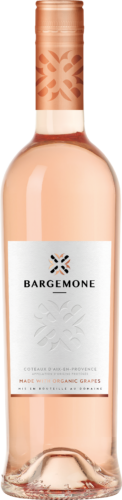
2023 Bargemone Coteaux d’Aix en Provence ($24)
The Commanderie de Bargemone was founded by the Knights Templar in the 1200s—they were more interested in crusades that in making wine, but for at least a century now Bargemone has made this pale orange, lightly herbal wine.
Click here to read the original article

